
Course Details
If you hold a Level 7 BA (Ord) degree in Early Childhood Studies or a similar qualification you can top up your degree to a Level 8 BA (Hons) in Early Childhood Care and Education. Depending on when you start, it will take just 8 – 10 months through blended learning. This final year course consists of an individual research project with one to one tutor support.
Level
UndergraduateQualification
Honours Degree| Course | Delivery Mode | Start Date | Duration | |
|---|---|---|---|---|
| BA (Hons) Early Childhood Care & Education |
Blended Learning
|
25th May 2024 | 8 months | |
| BA (Hons) Early Childhood Care & Education |
Blended Learning
|
5th October 2024 | 8 months |
Overview

What will I study during this BA (Hons) Early Childhood Care & Education course?
-
Evaluating Policy & Practice: Themes & Debates
The module focuses on contemporary issues which are reflected in development of national and international policy and explores the impact of these issues on practice in settings providing services for children. It explores rationales for provision of early childhood education and care services with a focus on the rights-based approach to education which underpins universal access to early childhood carte and education services to children and families in Ireland. Some contested concepts are investigated such as quality of provision in relation to stakeholder perspectives, relationship between education and care in the early years, professional status of the Education and Care sector workforce, the influence of practice frameworks such as Aistear and Siolta (or their international counterparts) on quality of provision, the landscape and cohesion between organisations involved in provision of services for children and families
The module aims to enable students to:
- Develop critical awareness of the themes, debates and factors which shape the national and international political and social landscape for policy development.
- Understand how policy impacts practice in early learning and care settings and settings providing services for school-age children.
- Explore their professional identity and reflect on the impact of their professional knowledge, values and competencies on provision and practice in their setting.
- Develop an awareness of the complexity of the concept of quality with regard to evaluation of practice and provision.
- Identify key trends for future development of the sector. Consolidate knowledge of the Irish curriculum and quality frameworks and make comparisons to international ECE models
-
Professional Development in the Community of Practice
The module encourages further extension of professional competence by focusing on interactions between adults and emphasising importance of sharing knowledge and empowering others within the sector to promote quality of provision for children and families. The module considers aspects of mentoring relationships in context of education and care settings and further promotes skills of reflection and self-evaluation, in particular in relation to their ability to receive feedback in a constructive manner and use it to understand underpinnings of their actions and decisions and make plans for personal and professional growth.
The students develop awareness about their personal responsibility to share knowledge and make contributions to the research base of the sector through disseminating results of their project dissertations.
The module aims to enable students to:
- Understand the concept of mentorship in educational and care settings.
- Use the opportunities to draw on their knowledge, skills and competence in context of reflective thinking and practice in order to support their colleagues.
- Promote good practice and shared values.
- Develop practical skills of structuring and presenting content in order share to knowledge.
- Evaluate their effectiveness by reflecting on feedback and making judgements about their choices and decisions.
-
Research Methods for Evidence Based Practice & Dissertation (45 Credits)
The module focuses on facilitating the students to draw on research in their practice and contribute to development of research base for the sector. Students’ practical research skills are fostered as they learn to plan, deliver and collate an individual research project relating to an area of their particular interest. Students will study academic literature and review different perspectives on their chosen topic of interest. Students will learn how major research methodologies and research tools can be used and subsequently, will learn how to design their own research project. Students will then discover how to gather and interpret data through different processes of data analysis and relate such findings to classical and contemporary literature. Ethical considerations are key to quality research. Students will learn about the importance of ethics in research and how to address these ethical considerations when conducting their own pieces of research. As well as developing their academic writing skills, students will also learn how to present their research and share the results of their project with colleagues and peers.
Aims
The module aims to enable students to:
- Develop further professionally by pursuing a line of enquiry arising from their personal or professional interest.
- Develop a critical understanding of the relationship between research and practice.
- Exercise autonomy and judgement in applying professional knowledge and skills in context of professional practice and study.
- Develop knowledge about research theory and research methodology relevant to educational research.
- Develop an understanding of stages involved in the research process and be prepared to deal with uncertainties and ambiguities of research.
- Consider ethical frameworks and challenges when designing a piece of research and apply ethics throughout the research process.
- Gain a practical experience in designing a piece of research, selecting appropriate methodology and research tools, gathering and analysing data.
- Prepare for entry to post-graduate programmes.
Learning Outcomes
- Formulate research questions and set clear and realistic research aims related to the context of children and childhood.
- Apply ethical frameworks throughout the research process and act as an advocate for children and families.
- Describe, analyse and constructively critique research, theoretical perspectives. historical, social, political, cultural and philosophical context related to the research question(s) drawing on a wide range of appropriate sources.
- Demonstrate competence in research skills through selecting appropriate tools of data gathering consistent with the chosen research methodology.
- Discuss research findings using theory to analyse data and develop credible arguments.
- Demonstrate an ability to communicate and share knowledge by structuring and presenting content effectively.
-
Professional Development | Sharing the Learning (Placement Based) -15 Credits
The module encourages further extension of professional competence by focusing on interactions between adults and emphasising importance of sharing knowledge and empowering others within the sector to promote quality of provision for children and families.
Aims
The module aims to enable students to:
- Understand the concept of mentorship in educational and care settings.
- Use the opportunities to draw on their knowledge, skills and competence in context of reflective thinking and practice in order to support their colleagues.
- Promote good practice and shared values.
- Develop practical skills of structuring and presenting content in order share to knowledge.
- Evaluate their effectiveness by reflecting on feedback and making judgements about their choices and decisions.
Learning Outcomes
- Critically reflect on implications of mentorship for their own and other educators’ practice and professional development.
- Reflect on their role and responsibility to share knowledge, skills and values in order to link theoretical models and philosophical approaches to practice and present solutions for professional challenges.
- Work collaboratively with the research supervisor and peer learners and use feedback to evaluate progress and plan improvements.
- Produce an e-Portofolio as a tool to support personal and professional development throughout the programme and beyond.
Who will I learn from?
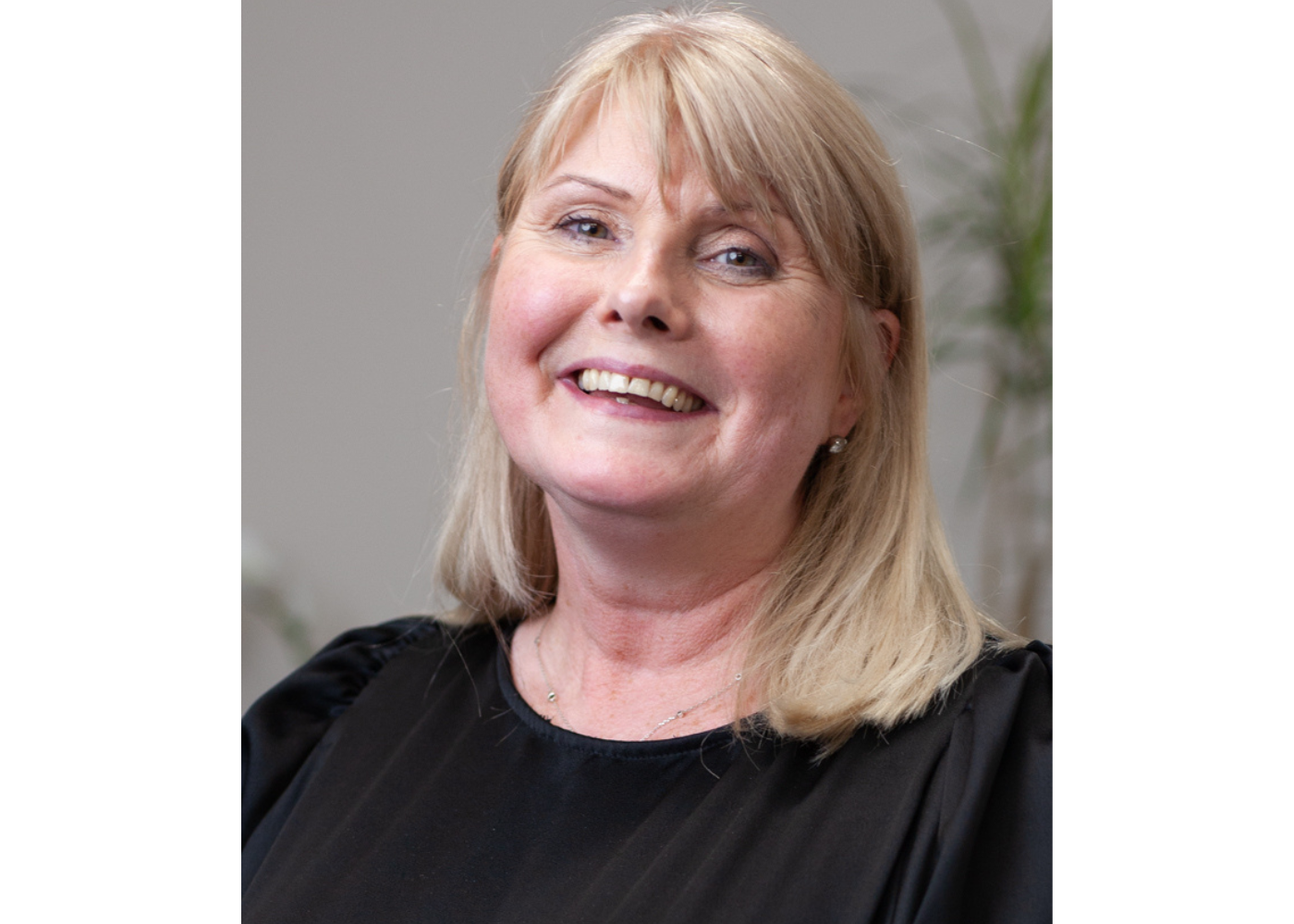
Programme Manager

Personal Academic Tutor
Each student is assigned a personal academic tutor to support you throughout your learning journey. They are available to offer you telephone and email support at any time. You can arrange to meet them for further one to one guidance at a time convenient to you.
Many of our past graduates have found it is the opportunity to ask a simple question, seek direction and submit a draft of their assessment that supported them most to successful completion. Emailing your tutor at any stage during your programme to ask a query or submit a draft of your assessment supports you to achieve your personal best throughout your studies with Portobello.
This level of one to one support is a particular benefit to choosing Portobello as your Institute of choice to complete your studies.





How will I learn?
Delivery Mode
What is Blended Learning?
It is very suited to you if you are working full-time with limited spare time yet you want to achieve your degree qualification. During the induction workshop, you will be given your log-in details to the online portal, “ePortobello”. Here you will find course notes, reading lists, podcasts, articles of interest and guidelines for completing your thesis. The content is structured in an easy to “find and follow” format. You will need basic computer skills such as searching the internet and typing a word document.
Taught modules are delivered through a combination of large group and small group online classes held on Saturdays and evenings and access to online content on ePortobello. All sessions are recorded and can be accessed by the students at any time throughout the course. The modules arew lead by a tutor who is available to answer queries during classes, on a discussion board, by email and through an individually scheduled tutorial session.
Project modules are delivered through a combination of large group online workshops and access to online content on ePortobello. All sessions are recorded and can be accessed by the students at any time throughout the course. You will be assigned a research supervisor who will support you on a one to one basis through to completion of your dissertation.
The Placement-based module is delivered through a combination of large group and small group online classes held on Saturdays and evenings and access to online content on ePortobello. It requires completion of 450 hours of placement which can be undertaken in a student’s place of work if employed in an Early years setting. The students must also complete two observational visits to another setting as part of the peer supervision process
Course Structure
Autumn Start
| Module | Term | ||||
| Evaluating Policy and Practice: Themes and Debates | Autumn | Sept- Dec | |||
| Reflective Practice: Sharing the Learning | Spring | Feb- June | |||
| Professional Development in the Community of Practice | Year | Sept-May | |||
| Project | Year | Oct-May | |||
Spring Start
| Module | Term | ||||
| Evaluating Policy and Practice: Themes and Debates | Summer | May-June | |||
| Reflective Practice: Sharing the Learning | Autumn | Sept- Jan | |||
| Professional Development in the Community of Practice | Year | Feb- Dec | |||
| Project | Year | Feb-Dec | |||
Learning Support
The BA (Hons) Early Childhood Care & Education is structured to maximise opportunities for flexible study, as students choose to complete the course by distance learning with webinars throughout the programme, supported workshops held each term and on-going tutor support available through the early childhood studies academic team situated full-time in Portobello institute.
A module tutor together with a programme manager is assigned to each learner. At intervals throughout the course there are face to face tutorials and students can also access further tutor support by email and/online calls. Webinars also support the learning experience, and provide further guidance throughout the programme, helping to establish and maintain relationships with tutors and peers. The development of academic writing, study and referencing skills is supported through workshops, tutor feedback and programme manager support. Materials are accessed through Portobello virtual learning platform. As this is one of the most researched and developed programmes available, where an extensive range of visual materials and videos are available. Reflection is promoted by reflective exercises incorporated into the web-based materials.
All students are invited to discuss their progress with programme managers and module tutors. This can take place in person through e-mail, or online call.
May 2024 COURSE SCHEDULE
May start date runs from 25/05/24 – 10/01/25
Attendance at webinars is not mandatory however is recommended for an optimal learning experience and achievement.
One to one tutor support is available to you throughout this programme.
AUTUMN 2024 COURSE SCHEDULE
October start date runs from 05/10/24 – 24/05/25
Attendance at webinars is not mandatory however is recommended for an optimal learning experience and achievement.
One to one tutor support is available to you throughout this programme.
How will I be assessed?
Assessment for this course is done on your dissertation project.
Downloads
| Course | Delivery Mode | |
|---|---|---|
| BA (Hons) Early Childhood Care & Education |
Blended Learning
|
 |
Career prospects
- Own or Manage a Setting – With a degree in early childcare studies, you can open, own, operate, manage, and work within any early years setting in Ireland where you will be eligible for the graduate premium under the ECCE scheme. You can undertake the role of; Room Leader, Facility Manager or Owner/Manager.
- Become a Primary School Teacher – If you have your degree and honours Irish you can apply for professional masters in primary school education which will allow you to work as a primary school teacher.
- Become a Tutor in Adult and Further Education – You can become a tutor and deliver courses in early learning and care in adult and further education settings. Having a level 8 degree will make you eligible to pursue an accredited post-graduate qualification in adult and further education leading to registration with the Teaching Council of Ireland.
- Work for a Government Agency – You can work for government agencies or early years support bodies such as County Childcare Committees etc. Roles with these organisations can vary from management and administration of services to monitoring of childcare and education settings. For instance, when Tusla advertise for an Early Years Inspector role, you must have a Level 8 degree and 5 years of work experience in a childcare setting. This is an exciting role where you will use your knowledge and experience to improve the service offered in various childcare settings. It involves inspecting facilities, investigating issues, advising providers and writing reports. Constant liaison with other agencies and assisting in the development of childcare policy are also part of the role. Obviously, for this role, the experience gained in a childcare setting is essential, however, the knowledge of best practices in childcare provision and management derived from the degree is crucial to effectively undertake this role.
- Engage in Postgraduate Study and Research – Many students who have completed the degree programme long to learn more and undertake postgraduate education to masters and doctorate level to pursue their research interests.
Why should I continue to Level 8?
College Director and Head of our Early Years Department, Denise Flood, explains the value of the BA (Hons) Early Childhood Studies Level 8 degree.
“You have completed the hard work at level 7 – this is one more module to achieve your level 8 honours degree. It is a research project carrying 60 credits and you will have a supervisor of your choice from our team who will support you through the research process.
“The research project is directly related to your setting – for example, if you want to change the garden of your setting, you can use this as the topic of your research project. We will help you break this down into achievable snippets such as consulting key stakeholders, what questions do you need to ask to find out what they think the theme of the space should look like – the stakeholders would include staff, children, parents, other service users. Document the process, record the outcomes, reach a conclusion and this is your research project completed!
“An honours degree opens up so many opportunities for employment and further study to Masters level – why would you not complete the project and achieve your level 8 honours degree?
“Much of the evidence signposts research as a vital aspect of ensuring quality service provision in an early years setting – you will learn how to conduct research, draw conclusions and record these during this programme,” she said.
Related Courses
BA (Ord) Early Childhood Care & Education
This is a Level 7 BA (Ord) Early Childhood Care & Education degree. The blended learning option enables students to work full-time and complete this degree. Upon completion of this Level 7 degree, you will be eligible for the graduate premium from DCEDIY for your role in an early years setting.
Portobello Institute is participating in the new Nurturing Skills Learner Fund Scheme 2024 (NSLF). Please see fees section for more information and make an enquiry to speak to our course advisor Sarah Coyne who can help guide you.
Speak to an expert
Choosing a course that will lead you to your career of choice is a significant decision. Understanding the delivery modes, supports available, career opportunities and further study options are all key considerations when making your choice. Our course adviser team are experts in the courses Portobello offers, the employment prospects and the opportunities for progession to masters programmes for each of our courses – they will guide you through the detail and support you with any queries you may have.
It is important you make the right choice for you and choose the Institute and course that will best suit your needs.
Your Consultant

Sarah Coyne
Education is a journey and the destination is a career that you love. I support the department that helps you to plan your journey so you can find the path that’s right for you. As I am often the first point of contact for many prospective students, I am excited to introduce students to the Portobello Institute experience. I enjoy learning about students’ ideas, goals, and passions, and this job allows me to do so.
How do I apply?
Entry to this course is by direct application to the college.
Requirements
Without a Leaving Certificate
Recognition of Prior Learning (RPL)
Portobello Institute has mapped the learning outcomes of the awards listed below thereby gaining recognition of prior learning (RPL) with London Met for students holding the following qualifications:
• QQI Level 7 in Early Years Care & Education or equivalent
• Level 7 in Early Childhood Studies
Application Process
Step 1
Complete the online application form.
Step 2
Your application will be reviewed by the Portobello enrolment team.
Step 3
Applicant’s will be contacted by the Portobello team to confirm place on the course or look for more information.
Fees & Payment Options
Fees
Course Price
Year 1 base fee
Exam Body Reg. Fee
Overall Course Price
Total amount due
Easy Payment Plan
Payment Option 1
33% deposit payment (€1,318.35), followed by 8 scheduled payments on the first of each month, commencing the 1st of the month after the start date of the course. Includes one off instalment fee of €365.
- €334.58 due in month 1
- €334.58 due in month 2
- €334.58 due in month 3
- €334.58 due in month 4
- €334.58 due in month 5
- €334.58 due in month 6
- €334.58 due in month 7
- €334.58 due in month 8
Available Courses
| Course | Delivery Mode | Start Date | Duration | Fees Per Year | |
|---|---|---|---|---|---|
| BA (Hons) Early Childhood Care & Education |
Blended Learning
|
25th May 2024 | 8 months | €3,630.00 | |
| BA (Hons) Early Childhood Care & Education |
Blended Learning
|
5th October 2024 | 8 months | €3,630.00 |
Apply
Hooray! One small step for you, one giant leap for your future! Enter your email and you will be redirected to our application platform, where you can complete your application in your own time. Here's what to expect:
- Enter your email, name and mobile phone number
- You'll be redirected to our Application platform
- Start your application
- Choose your preferred payment option
(No payment required at this stage) - Submit your application
- One of our course advisors will review and be in touch
Apply
Hooray! One small step for you, one giant leap for your future! Enter your email and you will be redirected to our application platform, where you can complete your application in your own time. Here's what to expect:
- Enter your email, name and mobile phone number
- You'll be redirected to our Application platform
- Start your application
- Choose your preferred payment option
(No payment required at this stage) - Submit your application
- One of our course advisors will review and be in touch
Apply
Hooray! One small step for you, one giant leap for your future! Enter your email and you will be redirected to our application platform, where you can complete your application in your own time. Here's what to expect:
- Enter your email, name and mobile phone number
- You'll be redirected to our Application platform
- Start your application
- Choose your preferred payment option
(No payment required at this stage) - Submit your application
- One of our course advisors will review and be in touch