

Course Details
This 1 year programme provides you with the opportunity to “Top-Up” to a BSc (Hons) Facilities and Workplace Management. This blended learning option enables you to work full-time whilst studying. This programme is aimed at those who already hold an IWFM level 5 or 6 diploma or a relevant undergraduate degree. Fulfil your potential and advance your career with this 1 year top-up to a BSc honours degree.
Level
UndergraduateQualification
Honours Degree| Course | Delivery Mode | Start Date | Duration | |
|---|---|---|---|---|
| Top-Up (1 yr) to BSc (Hons) Facilities & Workplace Management |
Blended Learning
|
5th October 2024 | 1 year |
Overview

What will I study during this Top-Up (1 yr) to BSc (Hons) Facilities & Workplace Management course?
During this 1 year programme you will focus on the areas of strategic facilities management through critically analysis for developing strategic decision-making skills. You will learn about the key theories, concepts and frameworks underpinning the study of Business Management in an FM context. Practical industry insights and presentations from our industry expert tutors ensure that you can relate theory to real-life work scenarios.
-
Strategic Management for the Workplace and Facilities Management
Strategy is concerned with the development, success and failure of all types of organisations, from multinationals to entrepreneurial start-ups, including charities to government agencies, and many others. Strategic management constitutes a key element of all professional business and management qualifications. The facilities managers role, in terms of strategy, is different from other aspects of management. Facilities manager, as an operational manager, is required to deal with problems of operational control in the workplace and the monitoring of financial performance while maintaining a high level of internal customer service. Facilities managers spend most of their time involved in operational management.
Operational management, and managing resources, is essential for the success of strategy but it differs greatly from strategic management. Strategic management is concerned with the large amount of complexity within the workplace which have organisation wide implications. Facilities managers whom are used to managing daily operations and resources are often challenged to understand the organisational overall strategy. This module equips facilities leaders with the knowledge, skills and techniques required to critically analyse contemporary organisations within changing environments both nationally and globally.
This module sets out the key elements of strategic management using Fundamentals of Strategy. Learners will be able to formulate, evaluate and defend realistic and creative proposals for future strategic direction of the Facilities Management department; and to plan for the effective implementation of the workplace strategy selected.
-
Project Management in Facilities Management
Increasingly facilities managers are required to manage projects. Facilities Management workplace projects can range from commission new work areas, implementing new methods for work, sustainability programmes or reallocation of staff. To successfully execute these projects, facilities managers need to set out an approach which is structured to complete the project. This module provides the learner with the core learning and knowledge required to equip them projects on time and meeting expectations. This module uses the Association of Project Management Body of Knowledge (APMBOK), and prepares learners in the capabilities required for effective project management: managing resources, time, people, and the project as a whole. The module includes both the use of computer programmes for project management and approaches to managing people and leading and motivating teams.

Your Lecturer
Tony O’Gorman
-
CSR and Energy Management in Facilities Management
Corporate and Social Responsibility (CSR) and Energy for Facilities Managers as a module plays a significant role in developing learners’ ethical and environmental responsibilities. Sustainability decisions are now significant factors for organisations when determining business strategies. Governments are driving change, consumers and organisations are increasingly including sustainability in their purchasing decisions.
The module will prepare learners for real world practice through case study theory and to undertake and to communicate tasks and assignments linking theory, research, analysis, evaluation, evidence and practice. It will provide a firm foundation in the philosophical and practical factors that characterize CSR, sustainability and energy management and fundamental concepts, ideas, practices and methodologies of Facilities Management.
Energy Management within Facilities Management promotes the efficient utilization of energy in industrial and commercial environments. This module provides participants with a fundamental understanding of energy management from a local, national and international perspective.

Your Lecturer
Eoin O’Sullivan
-
Procurement and Contract Management for the Workplace and Facilities Management
This module plays a significant role in developing learners as ethical, responsible, well informed, evidence-based Procurement and Contract Management for Facilities Management. The correlation between procurement and service delivery is examined and the criteria necessary for successful delivery of the daily Facilities Management service. This module provides an overview of outsourcing, procurement, contract and contract management in the workplace and Facilities Management.
Outsourcing in Facilities Management involves turning over decision-making to an entity external to the organisation. The decision to outsource the Facilities Management, or part of the Facilities Management function is to maximise returns on investment. This module will outline how learners can determine the most suitable procurement strategy to serve the current workplace services by assessing the service requirements and the real cost of the service delivery.
The module covers the content and structure of service contracts and how clear specifications are essential to engage and maintain high levels of service delivery, increase performance and control costs. Selection of bidders and the management of the tender process specific to services and successful negotiation techniques will also be explained.

Your Lecturer
Bernard MacOscair
-
Financial Management
The module is concerned with the financial decision making within the Facilities Management department and the facilities manager role as a business manager. Decisions in terms of raising revenue cost reduction and the Financial Position and required investment.
The module examines how the efficient management of finance by the Facilities Management. is essential for funding the daily operations, maintenance, repair and any project works.
It focuses on the strategic aspects of management accounting and will explore and critically evaluate management accounting techniques. This approach develops learners’ knowledge and critical understanding of the theoretical models, analytical methods and practical aspects of corporate financial decision making.

Your Lecturer
Kevin Murray
"Students in this module get an insight into the way a finance function works and interacts with other functions in an organisation. The elements of the module which looks at the Budget process is particularly valuable as all department managers will at some point be heavily involved in preparing and reviewing budgets."
-
Industry Research Project
This module focuses on the process of transforming data into information that will be useful to users, one being the writer of the report and another a potential specialist in the industry itself, i.e. a future employer. The undertaking of the investigation and project will enable the student to pursue a robust enquiry into the industry or sector in which they are hoping to find employment.
Furthermore, this module will help students to prepare for the graduate job market by ensuring they have up-to-date application material and online profile as well as gaining further personal experience of the application process. Researching the report and completion of associated activities will enable students to excel at interviews.

Your Lecturer
Derek Fox
Who will I learn from?
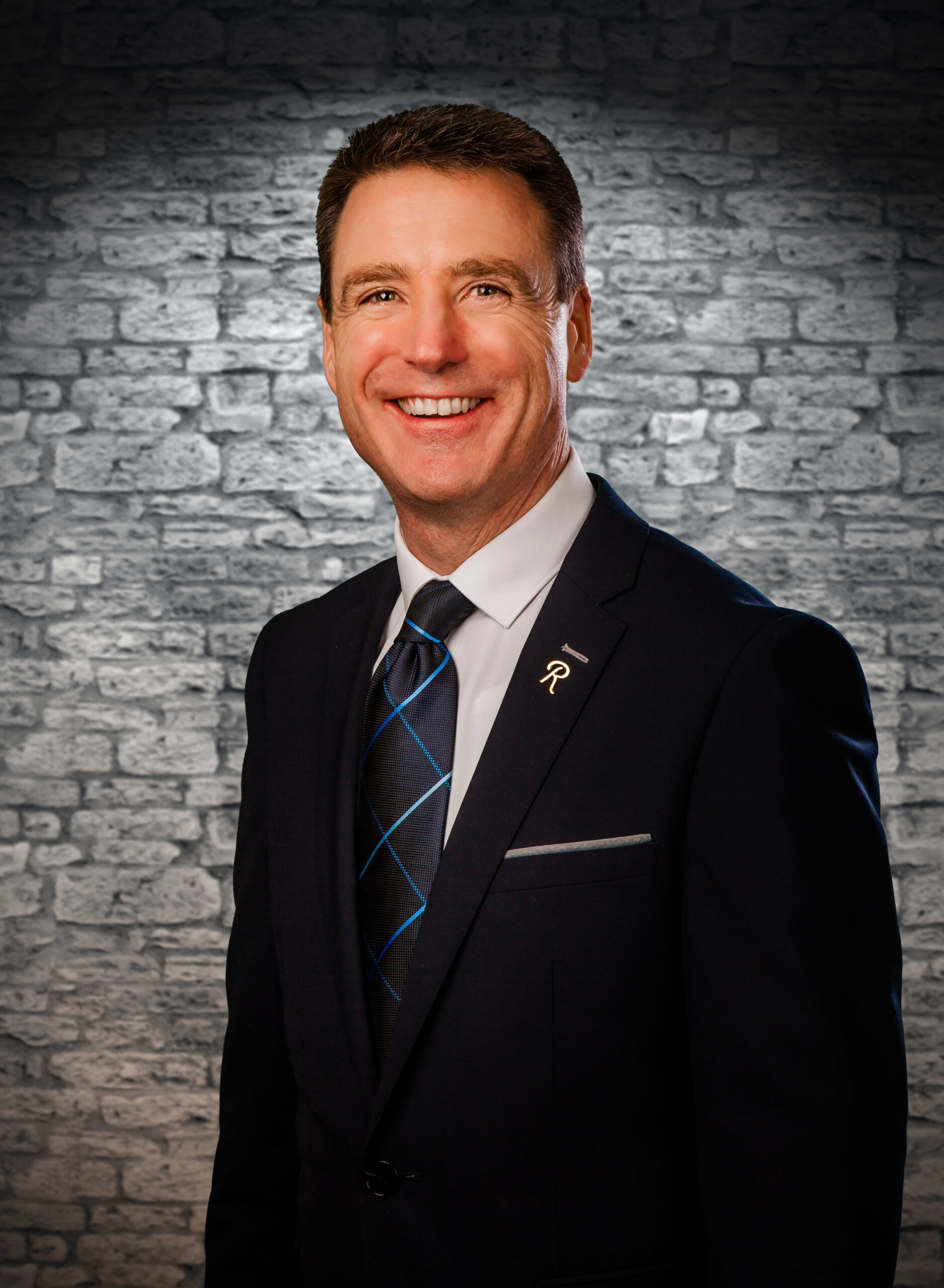
Programme Manager

Personal Academic Tutor
Each student is assigned a personal academic tutor to support you throughout your learning journey. They are available to offer you telephone and email support at any time. You can arrange to meet them for further one to one guidance at a time convenient to you.
Many of our past graduates have found it is the opportunity to ask a simple question, seek direction and submit a draft of their assessment that supported them most to successful completion. Emailing your tutor at any stage during your programme to ask a query or submit a draft of your assessment supports you to achieve your personal best throughout your studies with Portobello.




How will I learn?
Delivery Mode
This programme is delivered over 1 academic year, online with interactive webinar learning affording you the opportunity to study from anywhere.
What is Online with Webinar Learning?
Online with Webinar Learning is a form of blended learning. It re-structures the content introducing online learning together with interactive webinars and one to one tutor support. This mode of delivery includes contact tuition (by webinar) and web-based e-learning sessions. The e-learning platform is interactive including recorded sessions, webinars with weekly content and assigned tasks to themes and topics.
There are webinars held at regular intervals including the commencement of each module. Attendance is not mandatory but is encouraged for optimal learning. The webinars are designed to support students understand the requirements of the learning outcomes, the expectations of the assessment and meet their tutor for the module.
What is a webinar?
A webinar, in the context of online learning, is a lecturer delivering a presentation or class online to a group of students. We use specifically designed e-learning software so you can participate in the class just as if you were present in the same room. You can ask a question of the lecturer at any stage during the class.
Interactive break-out rooms
The software is designed with “break-out rooms” where you can discuss a topic or complete a group exercise with a smaller group from your class. You will need a computer, laptop, tablet or smartphone that has internet connection, an audio facility so you can hear and speak during the class and a camera so your lecturer and fellow class participants can see you.
Secure online learning environment
The webinar is a secure online environment and only those permitted entry by the lecturer can gain access to the “classroom”. Webinars are recorded during each session and should you miss a session, you can catch up with the recorded session at a later date. You will only be able to access Webinars of the group you are assigned to.
Expert Tutor Support
You can email your tutor at any stage during the module to ask a simple query and there will be scheduled opportunities to submit a draft of your assignment. Our programme management team are always available to meet you or offer you telephone and email support. For more information about our team, click here. Many of our past graduates have found it is the opportunity to ask a simple question, seek direction and submit a draft of their assessment that supported them most to successful completion.
One to one support
This level of one-to-one support is unique and is a particular benefit to choosing Portobello Institute. We have invested in a team of programme managers and tutors who are experienced sports therapists and clinicians as well as knowledgeable educators. They are available to assist you at every stage of this programme and support you to achieve your personal best.
Online Learning Portal – ePortobello
During the induction seminar, we will show you how to navigate and find what you need with all of the information you need to complete this programme uploaded on to ePortobello. The content of this programme is set out in an easy to follow format with a combination of notes, articles, podcasts and other materials that will help you to understand the subject and complete your assessments.
Course Structure
This is an online learning course with webinars delivered over one academic year. There are supported seminars held at weekends with an exact schedule available shortly.
You will complete seven modules, one core year long module that runs for the duration of both semesters, as well as an additional three modules each semester. The modules include your research assignment which will take place in the first semester.
COURSE SCHEDULE - October 2024 start date
This course runs from 05/10/24 – 24/05/25
Webinars are held on scheduled Saturdays from 10am – 4pm with breaks at intervals throughout the session.
The schedule of webinars is generally a maximum of 2 per month. This is a guideline and subject to change, a full schedule is given during the induction session.
Webinar sessions are recorded should you be unable to attend.
A FLEXIBLE LEARNING JOURNEY
The schedule of this course is designed to offer you flexibility and support at the times you need it.
Unpredictable work hours are the norm of the FM so we record webinar sessions for you to catch up later should you be unable to attend.
You can book one to one tutor support at a time that is convenient to you including evenings and Saturdays.
Our expert tutors are available to support you throughout your learning journey, including the weeks when webinars are not scheduled.
How will I be assessed?
SMART assessments – we use a range of assessments for each module designed to support a broad range of learning styles, giving you the opportunity to excel.
The primary aim of the varying assessment styles is to support you to demonstrate your knowledge of theory and practical implementation as a result of a range of assessments.
We encourage you to reflect on your knowledge gain with a number of assignments designed to explore your learning journey. All of these assessment methods are seeking to support you to combine theory with scenario-based learning and how to practically implement these methods into your everyday work.
Downloads
| Course | Delivery Mode | |
|---|---|---|
| Top-Up (1 yr) to BSc (Hons) Facilities & Workplace Management |
Blended Learning
|
 |
Career prospects
This BSc (Hons) in Facilities & Workplace Management was developed in response to growing industry demand for graduates with a suitable range of skills and knowledge. Specialist FM expertise is not enough, FMs also need to be creative thinkers, problem solvers, deadline-driven and with a strategic mindset – this is the kind of approach we encourage and help you to develop.
Add credibility to your experience with a recognised degree
This BSc (Hons) Facilities and Workplace Management is an industry specific honours degree adding credibility to your existing qualifications, knowledge and experience, supporting you to advance your career and fulfil your potential.
Qualified FMs are in demand
Facilities Management underpins the business of all industries and qualified FM professionals are required in all sectors of global economies from airports and other infrastructure to leisure facilities, commercial organisations, consultancies, property companies, Integrated FM providers and local and national government.
Broaden your professional network
Many graduates tell us they learn as much from each other as they do from tutors. Attending the webinars is key to meeting fellow students, engaging in discussion and exchanging ideas about facilities management. Meeting fellow students gives you the opportunity to create your study network for the duration of your learning journey. This network can prove extremely useful afterwards during your professional career.
Understand our graduates success
Visit our Graduates Success Stories to understand the opportunities they availed of, the further studies they have undertaken and their unique learning journeys.
Related Courses
Speak to an expert
Choosing a course that will lead you to your career of choice is a significant decision. Understanding the delivery modes, supports available, career opportunities and further study options are all key considerations when making your choice. Our course adviser team are experts in the courses Portobello offers, the employment prospects and possible progression routes to Masters programmes – they will guide you through the detail and support you with any queries you may have.
It is important you make the right choice for you and choose the Institute and course that will best suit your needs.
Your Consultant

Janice OToole
Education is a journey that we all begin and finish at different points in our lives. I support students from all walks of life as they map out the path to their dream career. As I am often the first point of contact for many prospective students, I am excited to introduce students to the Portobello Institute experience. I love learning about students’ ideas, goals, and passions, and this job allows me to do so.
How do I apply?
Entry is by direct application to Portobello Institute.
Entry to Top-Up programme
You may apply for entry to the final year to “Top-Up” to a BSc (Hons) in Facilities & Workplace Management if you meet ONE of the following criteria:
- Relevant other Level 7 degree
- Level 5 or 6 graduates from IWFM Diploma
If you are not eligible for advanced entry to this programme, there are other entry points available – see below.
Entry to First Year
You must meet any ONE of the following criteria:
- BIFM Level 3
- Leaving Certificate
- Experiential Learning in FM or related field
- Senior trade certificate
Advanced Entry to Second Year
You may apply for advanced entry to the second year of the BSc (Hons) in Facilities & Workplace Management if you meet ONE of the following criteria:
- Relevant other 3rdlevel qualification eg: IWFM Level 4 Diploma
- Senior Trade Cert with significant experience and three senior endorsements – requires entry assessment via application process
Application Process
Step 1
Complete the online application form.
Step 2
Applicant’s application will be reviewed by the Portobello enrolment team.
Step 3
Applicant’s will be contacted by the Portobello enrolment team to confirm place on the course or for more information.
Our experienced course adviser team are available to support you with your programme choice. If you are unsure if this programme is right for you or if you are unsure where you fit, please email your cv to [email protected] for further advice or call him on 01-8920035. We can support you identify the correct entry point for you.
Applicants who do not meet the criteria, may be offered an alternative entry point to the BSc (Hons) in Facilities Management. This programme is available through Portobello Institute.
Please note places on this course are only confirmed once tuition fees have been received.
Students will be registered as an undergraduate degree student with London Metropolitan University.
Fees & Payment Options
Fees
Course Price
Year 1 base fee
Exam Body Reg. Fee
Overall Course Price
Total amount due
Easy Payment Plan
Payment Option 1
33% deposit payment (€2,080.65), followed by 8 scheduled payments on the first of each month, commencing the 1st of the month after the start date of the course. Includes one off instalment fee of €365.
- €528.04 due in month 1
- €528.04 due in month 2
- €528.04 due in month 3
- €528.04 due in month 4
- €528.04 due in month 5
- €528.04 due in month 6
- €528.04 due in month 7
- €528.04 due in month 8
Available Courses
| Course | Delivery Mode | Start Date | Duration | Fees Per Year | |
|---|---|---|---|---|---|
| Top-Up (1 yr) to BSc (Hons) Facilities & Workplace Management |
Blended Learning
|
5th October 2024 | 1 year | €5,940.00 |
Apply
Hooray! One small step for you, one giant leap for your future! Enter your email and you will be redirected to our application platform, where you can complete your application in your own time. Here's what to expect:
- Enter your email, name and mobile phone number
- You'll be redirected to our Application platform
- Start your application
- Choose your preferred payment option
(No payment required at this stage) - Submit your application
- One of our course advisors will review and be in touch
Apply
Hooray! One small step for you, one giant leap for your future! Enter your email and you will be redirected to our application platform, where you can complete your application in your own time. Here's what to expect:
- Enter your email, name and mobile phone number
- You'll be redirected to our Application platform
- Start your application
- Choose your preferred payment option
(No payment required at this stage) - Submit your application
- One of our course advisors will review and be in touch